Jamie Bassi Jamie Bassi

Five Surprising Ways To Live Longer

Tips and tricks for longevity

If we get down to the nitty gritty… we all want to live a longer life. So, how do we do that? A 2018 study by Harvard T.H. Chan School of Public Health found that eating a healthy diet, maintaining a healthy body weight, regular exercise, not smoking and keeping alcohol to a minimum could add over 10-years to your life. This isn’t hugely surprising and we’re all trying our best with the above, but what else can you be doing? 

One of the best ways to find out how we can prolong life is to study the places where people live the longest, these are called the world’s ‘Blue Zones’ and include Sardinia, Loma Linda in California, the isolated Greek Island of Ikaria, Nicoya in Costa Rica and Okinawa in Japan. Fit Squad DXB personal trainer and nutrition coach Devinder Bains explores what we can learn from the people in the Blue Zones… 

Increase your carbs

The people of the Japanese Islands have less cancer, heart disease and dementia, and women there live longer than any women on the planet. For every 100,000 inhabitants, Okinawa has 68 centenarians – more than three times the numbers found in US populations of the same size. And this could be down to a carb-rich diet that consists largely of sweet potato, as well as green and yellow vegetables, but very small amounts of meat and fish in comparison. This supports a study of 15,000 people by Harvard Medical School in Boston that found low-carb diets (fewer than 40 percent of calories from carbohydrates) were associated with an increased risk of premature death, with consumption of 50 to 55% of calories coming from carbs being the ideal option. It’s worth noting that the study found very high carb diets weren’t advisable either (over 70% of calories) and of course, remember to choose healthy, unrefined carbs over sugary, processed foods such as cakes and biscuits.

Have a laugh

The men of Sardinia, who are some of the longest living in the world, are famous for their witty humour and regular afternoon group outings to mock and laugh at each other. The men, who live and continue to work well into their nineties, often doing physical jobs like goat herding put an emphasis on ending the day with friends and ‘having a laugh’. Laughter promotes positive mental health, lowers the stress hormone cortisol, triggers the release of endorphins and increases blood flow – all factors that can help prolong life.

…And a glass of wine

Add a glass of red wine to all that laughing. Or rather, two small glasses of Cannonau wine a day, as the Sardinian men do, and you could be extending your life even longer. Cannonau is made from a special grape variety in Sardinia generally known as Grenache and seems to have the highest levels of polyphenols (antioxidants linked to heart health) of any wine. It is also rich in anthocyanins (commonly found in berries), which are naturally occurring compounds with antioxidant effects as well.

Get some sun

The people of the Nicoya Peninsula in Costa Rica know a thing or two about living past a 100-years-old, with many still working into their late nineties and saying it gives them 'purpose in life’. They also seem to have found the perfect balance of getting a sensible amount of sun ever day. Covered by dry farmland and lush rainforest, this Caribbean hotspot has a tropical climate that gives just the right amount of sun exposure to Nicoyan locals who enjoy an active outdoor lifestyle, helping their bodies produce Vitamin D for strong bones, healthy body function, as well as fighting osteoporosis and heart disease – all components that aid longevity.

Stay social  

From the Seventh Day Adventists of Loma Linda in California to the Greek population of Ikaria, those living in the five Blue Zones have strong community at their heart and hold the importance of social interaction in high esteem. Family values extend to grandparents and grandchildren living in the same home in many of these areas and socialising is so important that in many of these communities people meet every evening with friends and neighbours. New research from the University of Lethbridge’s Canadian Centre for Behavioural Neuroscience says positive social interactions can be an antidote to stress and, on a biological level, boost levels of the bonding hormone oxytocin. They also found a positive link in the biological correlation between oxytocin and longer lifespan: concluding that face-to-face interactions and physical contact, such as hand shaking and hugging, as necessary for human well-being and long-term health.

Every one of these Blue Zones areas has the following two things in common: firstly, that the people that thrive there have an active lifestyle, be that physical jobs, lots of walking outdoors or generally adding exercise to their every day lives and secondly, they live on healthy, predominantly whole-food based diets. A personal trainer could help make regular exercise and a healthy diet an integral part of your life: Book your free consultation now by calling or WhatsApping us on +971 55 542 7231 or emailing us at info@fitsquaddxb.com

Read next: Five ways to get the perfect night’s sleep 

Read More
Jamie Bassi Jamie Bassi

Calories In Vs Calories Out Explained

The all you need to know guide to calories…

After years of diet experts swearing by calorie counting to lose, maintain and gain weight, we saw a big backlash when nutrition professionals started questioning the accuracy of the method. New macro-based, intuitive-eating and intermittent fasting diets took centre stage and the simple art of calorie counting was pushed out of fashion. But it seems we’ve come full circle and the old school ‘calories in vs calories’ out theory is once again the on-trend method favoured by fitness enthusiasts, with calorie-counting apps like MyFitnessPal becoming ever more popular.


What does ‘calories in vs calories out' mean? 

Very simply: 'calories in’ refers to food we are ingesting and the energy that it gives us, and ‘calories out’ refers to the energy we are expending through numerous actions including: breathing, sleeping, digestion, every day movement and of course through exercise. 

If we’re ingesting more calories than we burn…we will gain weight.

If we’re ingesting less calories than we burn…we will lose weight.


Why were people questioning its accuracy in the first place?

Some experts believe that calorie counting is done poorly and can be up to 25% inaccurate. Calories are also very often described and marked on packaging incorrectly. We also all consume different amounts of calories from food dependent on our intestinal bacteria, how our food is prepared, cooked and even chopped. Another factor worth highlighting is that people are often eye-balling their portion sizes, as apposed to measuring or weighing, which leads to massive inconsistencies in portion sizes.


Why are fitness professionals back on board?

For all its possible inaccuracies, calorie counting is still probably the best way we have to measure consumed energy and expended energy. No one was arguing the formula but rather the way we measured the calories. With the growing interest from consumers to know what’s in their food and government efforts to fight cardiovascular diseases and obesity, calorie counting is back in vogue. In fact, Dubai Municipality has passed legislation that instructs all food outlets to display calories on their menus by January 2020.


How do I know how many calories I should consume?

The best option is to get a professional to work this out for you, such as a personal trainer, as part of your goals. However, find included the Revised Harris-Benedict Equation that uses your BMR (Basal Metabolic Rate) and then applies an activity factor to determine your total daily calorie needs. The equation takes into account your height, weight, age and gender to calculate your BMR.


Men

BMR- 88.362 + ( 13.397 x weight in kg ) + ( 4.799 x height in cm ) – ( 5.677 x age in years )

Women

BMR- 447.593 + ( 9.247 x weight in kg ) + ( 3.098 x height in cm ) – (4.330 x age in years )

  • If you are sedentary (little or no exercise) : Calorie-Calculation = BMR x 1.2

  • If you are lightly active (light exercise 1-3 days/week) : Calorie-Calculation = BMR x 1.375

  • If you are moderately active (moderate exercise 3-5 days/week) : Calorie-Calculation = BMR x 1.55

  • If you are very active (hard exercise 6-7 days a week) : Calorie-Calculation = BMR x 1.725

  • If you are extra active (very hard exercise & physical job or 2x training) : Calorie-Calculation = BMR x 1.9 

Yeah, it’s not straightforward!

Can calorie counting work whatever my goal?

Manipulating the ‘calories in vs calories out’ figures to hit your goal is the most simple and effective way to get results. There are many other factors that come in to play, macro and micronutrients are important factors depending on whether you have a specific goal, be it muscle gain, lowering cholesterol or trying to eradicate type II diabetes, but the above theory still stands. 

It’s important to remember, you can eat all of the healthiest foods in the world, but if you consume more calories than your body needs, you will gain weight, simple. If weight-loss is your goal then a diet high in protein (which will keep you full longer) and is lower in calories per gram is advised:

  • 1g of carbohydrates contains 4 calories 

  • 1g of protein contains 4 calories 

  • 1g of fat contains 9 calories

Read next: Nutrition and Mental Health

Fit Squad DXB trainers are here to help with any health, diet and fitness goals. Book your free consultation now by calling or WhatsApping us on +971 55 542 7231 or emailing us at info@fitsquaddxb.com

Read More
Jamie Bassi Jamie Bassi

Top Five Foods To Boost Your Fertility

Change up your diet to increase your chances of getting pregnant

It’s common knowledge that being fit and healthy can be a huge help when you’re trying to get pregnant, but could you go one step further by making specific changes to your diet?

A study by the Harvard School of Public Health in Boston, which was carried out on nearly 18,000 women over an eight year period, found that a diet low in trans fats (margarine, fried and processed foods), high in vegetable protein sources, high in multivitamins and iron and one that swapped in low GI carbs instead of their refined and white counterparts (bread and potatoes) could help reduce ovulatory infertility. Increasing fruit and veg intake can also help by boosting antioxidants in the body.

Need some advice on exactly what to eat to enhance your chances of conceiving? Fit Squad DXB co-founder Devinder Bains picks out the foods that could increase your fertility…

Lentil Soup 

Adding beans and lentils to your meals is a good way to bring some plant-based proteins to your diet, which can be healthier than animal sources when trying to get pregnant. Lentils also contain high levels of spermidine, which may help sperm fertilise the egg, as well as being a good source of folate (folic acid), which is essential for conception and healthy embryos. Beans and lentils are also a good source of fibre, which is key to a healthy oestrogen balance. If you’re not keen on soup, add beans and lentils to salads or opt for healthy versions of veggie burritos. 

Tomato-based Pasta Sauce

Both raw and cooked tomatoes can help increase fertility as they are high in lycopene – a powerful antioxidant, however cooked tomatoes contain almost twice as much lycopene – so they’re your better option. Lycopene supplementation is even being researched as a possible treatment for male infertility, one study found that taking 4 to 8mg of lycopene per day for 8 to 12 months led to improved semen health and increased pregnancy rates. So introduce low-sugar tomato soups to your diet and swap in healthy tomato sauces with your pasta instead of creamy carbonara. When it comes to pasta – try and stick to wholemeal or brown rice versions to stay on the low end of the GI scale.

Fruit smoothies 

Our fruits of choice for fertility boosting smoothies would be fresh grapefruit and orange. Both are very high in putrescine – a polyamine which is thought to improve semen and egg health. A study in older female rats, who were given water rich in putrescine, showed a 50% reduced rate of chromosomal defects in the ovulated eggs. It’s believed that putrescine helps both egg and sperm cells maintain their chromosomal integrity. The large levels of vitamin C from both fruits is also helpful as low vitamin C levels may negatively affect female hormonal balance, with that in mind pineapple is a good addition to the smoothie too.

Scrambled Eggs with Salmon 

Increase your B-vitamin and omega-3 consumption (both important to fertility) by adding eggs to your diet. They are also a good source of lean protein – good for fertility in both men and women as well as choline which may reduce the risk of some birth defects. Add wild-caught salmon to your eggs, not just to enhance the taste, but to add more omega-3s – essential for healthy foetal growth. Salmon is also rich in reproductive nutrients such as vitamin D, giving you 97% of the daily recommended amount (low levels seem to be associated with poor fertility in men and women) and selenium, which is important for semen maturation. You need to be careful about mercury contamination when eating fish when trying to conceive and also once you get pregnant but wild-caught salmon is on the low end when it comes to toxins.

Full Fat Yoghurt 

This isn’t the green light to eat as much full-fat dairy as you can, but the Harvard study mentioned earlier did find that eating full-fat versions of yoghurt, ice cream and cheese, as well as drinking full fat milk is better for you, because low fat versions can have a negative affect on your fertility. This does mean that if you usually use skimmed milk or low-fat yoghurt it’s time to eliminate those from your diet or swap in full-fat versions, do allow for the extra calories this will add to you daily intake as it’s important to be a healthy weight when trying to conceive. For better all-round health look to get your fat intake from sources such as nuts, in particular walnuts which are rich in omega-3s and omega-6s.


Read next: Everything you need to know about exercising while pregnant 

Interested in finding out more? Fit Squad DXB trainers are here to help you with you pre and post-natal fitness and nutrition needs. Book your free consultation now by calling or WhatsApping us on +971 55 542 7231 or emailing us at info@fitsquaddxb.com


Read More
Jamie Bassi Jamie Bassi

Everything you need to know about Cholesterol

Read now for all your healthy heart info…

Knowing exactly what cholesterol is, what it’s doing to your body and what to do if your bad cholesterol is high can be confusing. 

Fit Squad DXB’s Co-founder Daniel Wells highlights some of the key facts and figures to help you get in-the-know, and outlines some of the things you can do if your cholesterol isn’t where it should be. 


What is Cholesterol?

Cholesterol is a fatty like substance called a lipid, which is produced naturally in the body and also derived from the foods we eat. It is essential for the make up of cell membranes, helps in producing oestrogen, testosterone and adrenal hormones, aids digestion and is needed for your body to produce vitamin D. 

It is also incredibly important for brain function and in fact the brain contains the highest concentration of cholesterol, with 25% of the body’s total store. The brain produces its own cholesterol which is needed for insulation to protect nerve cells, cell membrane function and acts as an antioxidant against damage from free radicals, low levels can lead to memory problems, depression and other mental health issues.


If it’s so important, why the backlash?


There are two main types of cholesterol: 

Low Density Lipoproteins (LDL - Bad): LDL builds up in the arteries and eventually these deposits grow and can make it difficult for blood to flow through, those deposits can then break away and form a clot that causes a heart attack or stroke.

Hight Density Lipoproteins (HDL - Good): HDL travels along the arteries picking up LDL along the way, carrying LDL back to the liver where it can be broken down.

Having a diet with too much bad fat will increase LDL levels and can result in a number of issues such as coronary disease as mentioned. Whereas a diet high in good fats can help to increase HDL count and combat your LDL numbers. A diet high in bad fats and low in good fats will inevitably leave you with a poor cholesterol reading. It’s important to think of them both separately doing opposite jobs and that good fats will actually help decrease the bad cholesterol.


So, what is the perfect cholesterol reading? 

A cholesterol check involves just a simple blood test. You should start checking your cholesterol reading from the age of 35 and then every 5 years for the average person. 

Medical News Today states that:


   Total cholesterol levels:

  • less than 200 milligrams per decilitre (mg/dL) is considered desirable

  • 200 - 239 mg/dL is borderline high 

  • A reading of over 240 mg/dL is high

  • LDL cholesterol levels:

  • should be less than 100 mg/dL 

  • 100 to 129 mg/dL is acceptable 

  • 130 to 159 mg/dL is borderline high

  • 160 to 189 mg/dL is high

  • HDL levels should be kept higher:

  • A reading of less than 40 mg/dL is considered a major risk factor for heart disease

  • 41 mg/dL to 59 mg/dL is borderline low 

  • Optimal is over 60 mg/dL.

How can you improve your cholesterol reading?

Look at what you’re eating, reduce bad fats and refined carbohydrates and increase your good fats. 

Refined Carbohydrates are contained in foods such as:

  • White bread

  • White pasta

  • Bagels 

  • Pizza 

  • Pastries 

  • Breakfast cereal

Bad fats (saturated and trans fats) are contained in foods such as: 

  • Fatty red meat (Beef/Lamb)

  • Pork 

  • Chicken with skin on (breast is okay)

  • Dairy - butter/milk/cheese

  • Potato chips and crackers

  • Fried foods using hydrogenated or hydrogenated vegetable oils

  • Cakes and bakery goods

Good fats (unsaturated and polyunsaturated) are contained in foods such as:

  • Fatty fish (sardines, mackerel, salmon and trout) 

  • Nuts 

  • Chia seeds 

  • Olives/Olive oil 

  • Blueberries/raspberries 

  • Avocados 

  • Oats

Read next: Nutrition and Mental Health

Fit Squad DXB trainers are here to help with any health, diet and fitness goals. Book your free consultation now by calling or WhatsApping us on +971 55 542 7231 or emailing us at info@fitsquaddxb.com

Read More
Jamie Bassi Jamie Bassi

Five ways to get the perfect night’s sleep

Let insomnia be a thing of the past

Struggling to get a decent bit of shut-eye? Find out how these small changes could mean the end of your nightmare insomnia…

Feeling tired is becoming a global epidemic, not only costing the the world’s economy millions and millions of dollars every year through lost productivity but more worryingly through the side effects that sleep deprivation causes. Higher chances of developing chronic conditions like type 2 diabetes, cardiovascular, disease, depression and obesity are top of the list, with The Centre for Disease Control and Prevention in the US reporting that hypertension, stroke, coronary heart disease and irregular heartbeats have been found to be more common among those with disordered sleep.

Although, getting the recommended seven to nine hours of sleep might seem impossible to many people, these tips from Fit Squad DXB personal trainer Devinder Bains will have you nodding off in no time…


Create a dark environment 

Darkness increases the production of the hormone melatonin which regulates our night/day cycle. The presence of light reduces melatonin and tells the body that it’s daytime and that you need to be awake. Try blackout blinds or an eye mask to help increase melatonin production as you fall asleep, and during the night. And if you’re visiting the bathroom in the night - keep the lights off as again light will reduce melatonin making it harder to fall asleep again. Creating a dark environment  is particularly important for people who work night shifts.


Find your quiet place

Although total silence in your bedroom is ideal it is difficult for many of us to maintain – living in urban areas, and for those who can, you’re more likely to be disturbed by sudden noises from outside than those who have some level of noise within their room already. The sound of a fan or air-conditioning (that mirrors white noise) might actually help cover unwanted noise and induce sleep or try playing recorded sounds of the sea, actual white noise or soothing music without words or a beat, some pillows come with this facility built in. If you’re sleeping with a window open for much needed ventilation (good oxygen supply is essential for a decent sleep), then opt for ear plugs or noise cancelling headphones.

Put away your phone

Light disrupts the human circadian rhythm (our internal clock) and this can affect everything from weight loss and mood to libido and of course sleep patterns. Gradual reduction of light at night will help keep things balanced, again by controlling melatonin levels. Putting away phones and laptops or any other LED screen will help, as the blue light from these devices confuses the body into thinking it’s still daytime. Investing in a bedside lamp with dimmable, warm, white light means your body’s melatonin levels aren’t confused by bright lights – should you want to stay up and read. Invest in a lamp with a low red light as it replicates the embers of a fire from before electric light was invented.


Keep the temperature cool 

The temperature of your bedroom can play havoc with a good night’s sleep. Feeling too hot can can cause night sweats that may result in waking you up or giving you a poor quality of sleep. Being too cold, forces your body to expend more energy to keep you warm, which in turn makes it harder to fall asleep. The optimal bedroom temperature for sleeping is between 16 and 19°C as a cooler room also increases melatonin, which as well as controlling sleep is an anti-aging hormone. Sleep in light pyjamas, just a T-shirt or naked or try the new Recovery Sleepwear™ by UnderArmour, the inside of the garment absorbs the bodies natural heat and reflects infrared back into the skin, this promotes better sleep, reduces inflammation, and regulates cell metabolism.


Get some exercise

Research has shown that as little as 10 minutes of aerobic exercise can help you sleep, especially if you do it on a regular basis, it increases both the quality of the sleep and the duration. Exercise is known to reduce stress through the production of endorphins and less stress is an important factor in improved sleep. Early morning and afternoon exercise may also help reset your sleep/wake cycle by raising body temperature slightly, then allowing it to drop and trigger sleepiness a few hours later. It can be especially helpful if you are able to exercise outdoors and let your body absorb natural sunlight during the daytime hours. Although the time of day you exercise should not affect your sleep – some people find late evening exercise makes them feel more awake, if you’re one of those people then avoid training late in the day. 


For more information on the best times to train, speak to one of our qualified personal trainers now by booking a free consultation by calling or WhatsApping us on +971 55 542 7231 or emailing us at info@fitsquaddxb.com

Read next: Nutrition and Mental Health

Read More
Jamie Bassi Jamie Bassi

Nutrition and Mental Health

How food affects your mood…

Mental health issues such as depression and anxiety have become top of the news agenda when it comes to discussing health, and rightfully so – it’s a topic that needs much research and clarification. The World Health Organisation estimates that ‘globally, more than 300 million people of all ages suffer from depression’ and that ‘depression is the leading cause of disability worldwide, and is a major contributor to the overall global burden of disease’. 

It’s well reported that exercise is good for mental health, but can what you’re eating make a difference too? The answer is a resounding YES! The key is to eat more whole, natural foods and steer clear of processed junk foods.

Need a few tips on where to get started? Fit Squad DXB’s Co-founder Daniel Wells talks through his top 10 healthy mind and body foods, and why you should be eating them. 


1) Green Tea: This favourite of brews contains antioxidants which regulate glucose levels and increase dopamine – your happy hormone.

2) Almonds: As well as healthy fats, this super nut contains vitamin E and phenylalanine amino acid which also increases dopamine production.

3) Dark chocolate: Who knew this delectable treat is high in antioxidants and magnesium which helps relieve anxiety and can help relieve migraines too.

4) Brown rice/pasta, oats and whole grains in general: These ‘super low on the glycemic index’ foods keep your blood sugar levels in a steadier state – which decreases the risk of mood swings and fluctuations in energy in both mind and body.

5) Quinoa: this super food is a no brainer; high in protein, includes all nine essential amino acids and one serving boasts 29% of your daily magnesium needs.

6) Pecans: Packed full of healthy fats, 19 vitamins and minerals, super high in vitamin E and also choline which is a nutrient that’s required to make acetylcholine, an important neurotransmitter.

7) Pumpkin seeds (best without salt): Again, full of those healthy fats and high in zinc too which increases long and short term memory.

8) Avocado: Everyone’s favourite fruit has many benefits; high in healthy fats, increases skin health, libido and it also contains oleic acid which increases brain power.

9) Eggs: this go to breakfast item is high in protein, includes all B vitamins, choline and tryptophan, which is a precursor to the brain neurotransmitter serotonin.

10) Tomatoes: it might surprise you but they contain high quantities of folic acid and alpha-lipoic acid, both of which aid in fighting depression.

Read next: Why You Should Be Cutting Out Breakfast

Fit Squad DXB trainers are here to help with diet and fitness goals. Book your free consultation now by calling or WhatsApping us on +971 55 542 7231 or emailing us at info@fitsquaddxb.com

Read More
Jamie Bassi Jamie Bassi

Five Things to Know If You’re Training Every Day

Stay motivated, injury-free and on track to achieve your training goals

Signed up to a month-long training challenge? On a big fitness kick or training for a race or competition? Although training back to back without a day off isn’t always advisable, there is a way to make it work. Fit Squad DXB personal trainer Devinder Bains explains how to get it done…


1. Change up your muscle groups 

There’s a long slog ahead so for the sake of staying motivated and injury-free, make sure to mix up your exercise. Sticking to one workout can mean over-training the same muscle group and also getting bored pretty quickly. So, If you’re doing long runs every day or maybe back to back spin classes because that’s what you enjoy, you’re not giving the muscles used (in this case the quads, hamstrings, glutes and other legs muscles) any time to recover. You’ll eventually fatigue them, making you susceptible to injury as you continue to train on tired muscles. It can also mean seeing little progression. Firstly, because tired muscles can’t perform at their best, and secondly, because your muscles will adapt to the repeated activity, to the point where it stops being as effective. So, alternate your running and spin with some resistance training, especially upper body weights sessions to give the legs a rest. If you’re doing predominantly upper body workouts then add in some legs sessions. 

2. Make sure to stretch 

Prepare for cardio and resistance training with a warm up and some dynamic stretches. These are movement stretches that mirror the exercise you’re about to do, they will activate the muscles and prepare the joints for movement. So if you’re about to do a legs-based CrossFit session, your warm up could be a slow five-minute jog followed by some bodyweight squats or some hip-opening leg swings. Save the static stretches for after your workout and perform them without bouncing but by holding still in each stretch for around 30-seconds. Although there is no solid evidence that stretching post workout can help you avoid muscle soreness, it’s great for relaxing and for increasing flexibility – both important factors when you’re training every day.


3. Alternate your Intensity 

It’s important that you don’t go super hard 30 days in a row to avoid fatigue and soreness, so make sure to mix up the intensity of your workouts. If you’ve done two High Intensity Interval Training (HIIT) sessions, two days in a row, follow this up with some low intensity exercise like yoga, pilates or steady state cardio like a gentle swim or add in some resistance training sessions. After a HIIT session, your body needs to work hard to regenerate vital energy molecules within the muscles, it needs to bring down your body temperature, your heart and breathing rate as well as stress hormone levels. You also need to breathe harder to make up the oxygen deficit you’ve incurred during the exercise. This whole process can take hours after you’ve finished the session, so you can see why it’s not ideal to put your body through this every day. Mix up the type of HIIT you’re doing too – to avoid overworking the same muscles.


4. Stay Hydrated

If you’re upping your exercise, especially if you’re training outside, you need to up your water intake accordingly. Even if you feel ok during the session you could become dehydrated later in the day or the next morning. We should all be drinking around eight glasses of water a day, if you add outdoor exercise to this, you need to be adding another two to four glasses. Still feeling dehydrated? Add electrolytes (hydration salts) to your water during the day to give yourself a boost. Try something like nuun tablets which are free of gluten, dairy and soy, and are made from plant-based ingredients. Alternatively, move your exercise indoors. 


5. Take active rest days to recover

This might sound like a strange thing to suggest when you’re supposed to be training every day, but rest days don’t mean you can’t be active. Even athletes take a rest or ‘recovery session’ at least once a week: this can be a slower run, a walk, yoga or a stretch session. If you’ve been mostly biking or running, add in some pilates, if you’re all about HIIT training or weight training then your recovery session could be a nice 30-minute walk on the beach one evening. You can still tick off your workout, but do it by giving the muscles (and your heart) a little breather. 


Want more advice on how to train hard but stay injury free? Book a free consultation with one our Fit Squad DXB trainers today by calling or WhatsApping us on +971 55 542 7231 or emailing us at info@fitsquaddxb.com


Read next: How to bring back your motivation


Read More
Jamie Bassi Jamie Bassi

5 tips to help bring back your workout motivation

These top tips and tricks will get you back on track and in the correct mindset…

Are you struggling to keep up with your 2019 health and fitness resolution? Having ventured into March, many people will have fallen off the wagon in terms of their healthy eating and fitness program. It can be tough keeping up the momentum further into the new year, so, Fit Squad DXB’s co-founder Daniel Wells has outlined some tips and tricks to get back on track. 


  • Never miss Sunday

This one is super important if you’re struggling with motivation. Starting the week right, regardless of what you’ve been up to at the weekend or what you did the week before is key. Right from the word go, get things in line, a healthy breakfast, plenty of water (3/4 litres per day) and get that first training session of the week in. Your Sunday session doesn't have to be hours long or a super intense workout, especially if you’ve had time off, but psychologically it’s a massive boost to get that first one in at the beginning of the week.


  • Book in your training session like a meeting and have a plan

If you’re struggling with time management as many of us do in the UAE, it’s crucial to put your training session up there with the same importance as a work deadline or family time, it must be a regularity in your life. One good way of making sure you get your sessions in, is to book in your hour a day as a meeting and think of it as important as one. This way, you’re less likely to miss training because you ran out of time.


  • Set a pre-workout routine

Setting a pre-workout routine can help you prepare for your training session in many different ways, be it mentally of physically. Try to eat 60-90 minutes before your session, have a coffee if you’re a coffee drinker (green tea if you’re not), hydrate fully and supplement with a high protein shake and even some creatine to help boost energy levels. Creating a routine before each session will get you in the correct state of mind and ingesting the above will have your body primed physically for your session. 


  • Remembering what inspired you to start

Keeping in mind why you started training in first place is so important, focus on your goal and don’t forget. It’s so easy to slip back into old ways, but keeping an eye on the prize will keep you in check. Try watching some inspiring videos or reading interesting blogs on food and fitness – give yourself a 30 minute YouTube session and you’ll be surprised how quickly this can put you back in the right mindset. 


  • Get a workout buddy or personal trainer

Getting a good gym buddy can hep you in so many ways, be it motivation, accountability, spotting, healthy competition or having two minds to create a more varied and interesting training session. Your parter must be the right partner though… training with someone that’s not into it as much as you, or has tendencies to cancel, can actually bring you down – so, be picky when choosing your gym buddy. Alternatively, getting a PT to support you and help with motivation is no brainer, this is one of the key benefits of having a fitness professional working with you.

Read next: Are you eating too much protein?


Read More
Jamie Bassi Jamie Bassi

Five Top Tips to Conquer Your Desert Warrior Challenge

With just over a week to go – it’s not too late to up your game when it comes to February 22nd’s Desert Warrior Challenge. These tips will give you the head start you’re after…

With just over a week to go – it’s not too late to up your game when it comes to February 22nd’s Desert Warrior Challenge. These tips will give you the head start you’re after…

Tip 1: Get a grip

Having strength in your grip is key when it comes to tackling many of the obstacles on these courses. Even if you’re strong enough to hold your weight off the ground, on things like the monkey bars and traverse walls, it might be your hands that actually let you down. A simple exercise like hanging off a pull-up bar will increase that grip, and it’s as straightforward as gripping on to a pull-up bar with feet off the ground, and hanging for as long as possible. Try five to 10 sets of hanging until failure and alternate days in which you do this exercise, making sure you have a rest day in-between. If you want to be good at something, you need to keep doing it. Come race day… you’ll be hanging around like a pro.

Tip 2: Hot to trot

Although we’ve left the long hot summer months behind you’ll still need to acclimatise. Temperatures are above 30 degrees during the day and may feel even hotter when you’re out in the desert sun. If you’ve done all your training in an air-conditioned gym, then come race day you’re really going to feel the heat. To keep it simple, move all your running sessions outdoors. Start by doing your longer runs outside in the mornings or evenings and then, if you have the chance, try some shorter runs during a hotter part of the day – as close to the sort of time you’re likely to be outside for the actual race.

Tip 3: Jump into action

Explosive power is super important during obstacle races, you’ll need to be able to jump with some height for the various wall climbs. To keep things focussed, work on one exercise, such as box jumps, to improve your power. If you’re trying these outside, then choose a grassy area for safety and somewhere you’ll have access to objects of different heights to jump onto, such as steps, a bench or a wall. If you have access to a gym, then try jumping onto Plyo Soft Boxes of different heights. Start with a height you’re happy with and work your way up, trying to increase the height every other day, if you can. Make sure you jump from a standing still position with feet shoulders width apart. 

Tip 4: Take a dip

If you’ve done an obstacle race before, there’s a good chance you spent a fair part of it drenched. A lot of the obstacles involve falling into, and running through, water, so it’s time to get prepared for that. There’s no easy way to perfect this other than to mirror the feeling of running in soggy clothes – that’s right, you need to get wet. The ideal way to do this is to head down to the beach with your running kit on and take a dip in the sea between sprints on the sand. If you’re feeling very brave then keep your trainers on when you jump into the sea and get a real feel for race day.

Tip 5: Practice makes perfect 

Our top piece of advice would be to get in as much practice on other obstacle courses ahead of your race. Try out the Just Play Ninja Warrior course or the free weekend OCR Nation bootcamps at Kite Beach.


Read Next: What to eat before and during race day

Read More
Jamie Bassi Jamie Bassi

5 Reasons why you should start taking vitamin K2 right now!

A quick delve into this exciting vitamin with huge benefits…

You may, or may not, even be aware of this vitamin but K2 has a huge array of benefits that will vastly improve your health. 

We’re learning more and more about the importance of a healthy gut, and just how damaging a poor diet, and in turn, an unhealthy gut can be. Production of vitamin K2 is synthesised by healthy intestinal bacteria, and is also found in some fermented foods and animal products. Working on your diet to create enough good bacteria and a healthy gut really can have a huge impact on your life and wellbeing – just because you can’t see inside your gut doesn’t mean you shouldn’t look after it.  

Fit Squad DXB Co-founder Daniel Wells, outlines some of the top benefits of vitamin K2 and the foods that it can be found in. 


Benefits: 

  • Blood sugar regulation: Vitamin K2 is a must if you have type II diabetes as it can help regulate blood sugar levels, thus reducing your risk of heart attack and it can actually start reducing type II diabetes altogether. 

  • Bone mineralisation (promoting bone strength): This one is especially important if you’re over the age of 50 (even more so if you’re female) as your chances of osteoporosis greatly increase with studies suggesting that one in two Americans over 50 are expected to have or be at risk of developing osteoporosis of the hip by 2020. RESEARCH STUDIES In 2018 have shown that K2 plays a pivotal part in bone metabolism and mineralisation.

  • Increases testosterone: The list of benefits of increased testosterone for men and women is long but here are just a few: better concentration, heart strength, increased energy, sleep, libido, bone density and it also helps decrease body fat percentage.  

  • Decreases wrinkly skin: As your skin ages, it loses collagen and elastin which increases wrinkles and a loosening of the skin. Vitamin K2 can actually decrease this effect by activating a protein called matrix-GLA.

  • Helps prevent cancer: Vitamin K2 can reduce the risk of liver and prostate cancer and even help delay progressions of the disease.

Sold on the idea of increasing your vitamin K2 intake? Here’s a list of foods that can help get you on your way…

  • Natto (fermented soybeans)

  • Pickles 

  • Sauerkraut 

  • Kefir 

  • Edam cheese 

  • Egg yolks 

  • Goose/chicken liver

  • Salami/peperoni 

  • Cotton tofu

Read next: Why You Should Be Cutting Out Breakfast

Fit Squad DXB trainers are here to help with diet and fitness goals. Book your free consultation now by calling or WhatsApping us on +971 55 542 7231 or emailing us at info@fitsquaddxb.com


Read More
Jamie Bassi Jamie Bassi

5 Top Tips to improve your running 

Tricks to enhance your running technique, boost your speed and help you run for longer, just in time for the Standard Chartered Dubai Marathon 2019


Tricks to enhance your technique, boost your speed and help you run for longer, just in time for the 
Standard Chartered Dubai Marathon 2020

Whether you’re a beginner, a seasoned racer going for a personal best or somewhere in-between, these tips from Dubai personal trainer, running coach and former marathon and ultra-marathon runner, Devinder Bains will get you to the finish line...

Go slower

This might sound like a strange suggestion, but it’s the number one way to get more enjoyment out of your run. Many beginners are put off because running can leave them out of breath or exhausted within minutes. The same can be said for seasoned runners who start to see their runs as a chore to tick off. Slow down your pace until you can breathe easily and hold a conversation, and try to tackle at least one of your weekly runs with a more relaxed attitude. This can double up as your ‘rest day’ or ‘recovery’ run during your marathon training. Want to make a social event of it? Join one of the many free Adidas Runner sessions around Dubai,

Correct your posture

Bad technique can quickly lead to back and joint pain, so running with the correct posture is key. Remember to run tall; staying upright with the chest up and eyes looking forward rather than at the ground, keeping your jaw and shoulders relaxed. Make sure that wrists are relaxed with elbows bent at 90 degrees and brushing gently past your torso whilst running. Stay light on the feet, striking the ground with your mid-sole or heel.

Add hills and sprints

If you’ve been running for a few months and you’d like to increase your speed,then it’s time to add in some interval training. This can be done in the shape of sprints or hill runs, either on the treadmill or in Dubai’s great outdoors. The basic concept is to run as fast as you can for around 30 seconds and then rest for 30 seconds to a minute, and then go again. Keep going for around 20 minutes. Intervals will increase your aerobic capacity and endurance, making a faster pace more manageable than it was previously. Hill runs have the same effect and can be easier on the joints; try a quick run up a hill then a gentle jog back, repeating for around 20 minutes. If you want to mix up your running training, then a regular HIIT workout can have the same affects on your aerobic capacity. Think about taking on one of our Dubai personal trainers to get the best out of you HIIT and interval sessions.


Choose 30 minutes

Really want to see how much your pace has improved? Then add a timed-run to your weekly workouts. Use 30 minutes as your guide time and measure how far you can run in that half an hour. You can do this on the treadmill - (write down your distance covered), or do it outdoors by mapping your run on an app, or by keeping a note of your start and end points. Then, the following week, run for 30 minutes again and see if you can increase the distance covered or beat the week before’s finish point. Add in a timed-run every few weeks to monitor your progress and as another way to motivate yourself to run a little bit faster.

Be stronger

A stronger body will make a stronger runner. Add some weight training to even out any muscle imbalances that running can bring on, and also to make the muscles stronger in general. Add plank exercises to strengthen your core, lunges and squats for leg and glute muscles, push ups for arms and some pull ups for the back. Adding a strength training session will also give the joints a rest from the running every day. To make sure you’re using correct technique during weight training and to avoid injury, seek out advice from a personal trainer.

Read next: The pros and cons of barefoot training

Interested in finding out more about improving your running? Fit Squad DXB’s Dubai personal trainers are here to help you with all your running and fitness needs. Book your free consultation now by calling or WhatsApping us on +971 55 542 7231 or emailing us at info@fitsquaddxb.com


Read More
Jamie Bassi Jamie Bassi

Healthy tips and tricks for your BBQ

The all you need to know guide for your next BBQ…

The time is upon us in Dubai to dust off the BBQ and get grilling. BBQ food can be a great way to eat healthily: there’s no need for too much oil and this style of cooking can make the most boring and lean cuts of protein, fish, beef or chicken super smokey and tasty.


Below, Daniel Wells, co-founder of Fit Squad DXB, proves that BBQs aren’t all about fatty sausages and burgers wrapped in white bread, he outlining his top foods (and alternatives to your usual feast) to help you keep on track with your healthy eating goals…


Keep your protein lean, we don’t need to go super strict and stick with chicken breast, but thighs or legs are perfect on the BBQ. Get marinating well in advance but stay away from sugary pre-made sauces, instead try rosemary, garlic, olive oil, lemon juice, salt and pepper. 


Alternatively, fresh fish on the BBQ is the best! Lightly olive-oiled sea bream, mackerel, sardines and red mullet all work well and don’t break the bank. There’s no need for any marinade for fish on the BBQ, but simply stuffing your fish with crushed garlic cloves and lemon quarters will add another nice dimension.


If you really can’t get the BBQ out without slapping a few burgers or sausages on there, then a really good way to keep the calories sensible is to drop the buns and wrap your burgers in a big, fresh, crunchy piece of lettuce instead. Also be careful with condiments: ketchup is packed full of sugar and mayonnaise can be super-calorific, the bonus of the lettuce wrap is you don’t actually need as much sauce. 


Another alternative is to make your own beef kebabs. Keep it lean and go for a cut like sirloin, just make sure you don’t cook it for too long on the BBQ – that’s key when cooking less-fatty meats. Another good little tip is to go for a three veg and one beef mix on your skewers, alternate your beef with mushrooms, peppers and onions. Get that beef marinating in a healthy option, try a homemade sauce comprising of soy sauce, lemon juice, mustard, Worcestershire sauce, garlic, salt and pepper. 


Now for some accompaniments… (the best bits) 


There’s nothing like corn on the cob on the BBQ, super simple and healthy: spray a small amount of PAM spray olive oil on the cobs and chuck them on, keep them turning, they usually take 10-12 mins.


Make your own coleslaw. For me, a BBQ isn’t a BBQ unless you have coleslaw, but pre-made ones aren’t always healthy, so try this version: cabbage, lettuce, apple (game changer), carrot, plain yogurt, Dijon mustard, cider vinegar, salt and pepper. 


Sweet jacket potato: the good, old, low GI, orange carb. Get them well-prepped in the microwave before putting them on the BBQ as these take ageeeees otherwise. Remember, eating jacket potatoes doesn’t mean tons of butter: get involved with your healthy coleslaw to make it tasty.  

Enjoy!

Read next: Why You Should Be Cutting Out Breakfast

Fit Squad DXB trainers are here to help with diet and fitness goals. Book your free consultation now by calling or WhatsApping us on +971 55 542 7231 or emailing us at info@fitsquaddxb.com


Read More
Jamie Bassi Jamie Bassi

The Top 5 Exercises for Big Results

Short on time? These are your go-to exercises…

We all enjoy cable flys, bicep curls and leg extensions to feel that muscle burn, but do these exercises actually yield the results we’re looking for? Not necessarily. Daniel Wells from Fit Squad DXB outlines his top 5 exercises for big results…


Deadlift: 

This exercise is often overlooked by many beginner to intermediate gym goers, as the technique can be a little daunting due to the pressure it puts on your lower back if done incorrectly. However, it’s probably the most important (almost full body) exercise of them all in terms of the effect it will have on your body physiologically. If you’re not deadlifting already, get to it, but get the correct help and advice first if you’re not 100% sure on the technique. 


Barbell Bench Press: 

In my opinion, and I’m sure many other fitness professionals will agree, that this is the most important of all upper body exercises. It’s the only exercise you need to create a thick chest, it recruits all of the pushing muscles of the upper body in one movement. This should be your go-to upper body exercise, also working the triceps and shoulders.


Weighted Squat: 

The most important lower body exercise, as it works every muscle from the quads, hamstrings, glutes to calves. Another key benefit of the squat is the use of the core in stabilisation. Like the deadlift, this large compound exercise recruits a lot of different muscle groups and fibres, the stress caused during this exercise increases testosterone release into the bloodstream. Good mind muscle connection is key with this one, making sure of good glute activation. 


Wide Grip Pull Up: 

When trying to obtain that sought-after V-shape torso we all desire, you’ll definitely need to get involved with pull ups. These can be a tough exercise for some depending on your bodyweight. If you struggle then assist with some good quality resistance bands. We’re looking for an overhand grip here to hit the lats, and keep it nice and slow eccentrically (on the way down) this will help create strength and thickness in the lats. 


Barbell Shoulder Press: 

Another compound exercise that will help to increase definition in the shoulders as well as the biceps and triceps, and will help work on your traps too, giving width and definition to your overall shape. This exercise can be done many different ways, with dumbbells, fixed Smith machine and cables, but by far the most effective way is with a free barbell. A good mind muscle connection is also important when working the shoulders as so often the triceps can take over. 


Fit Squad DXB trainers are here to help with diet and fitness goals. Book your free consultation now by calling or WhatsApping us on +971 55 542 7231 or emailing us at info@fitsquaddxb.com

Read next: Why You Should Be Cutting Out Breakfast


Read More
Jamie Bassi Jamie Bassi

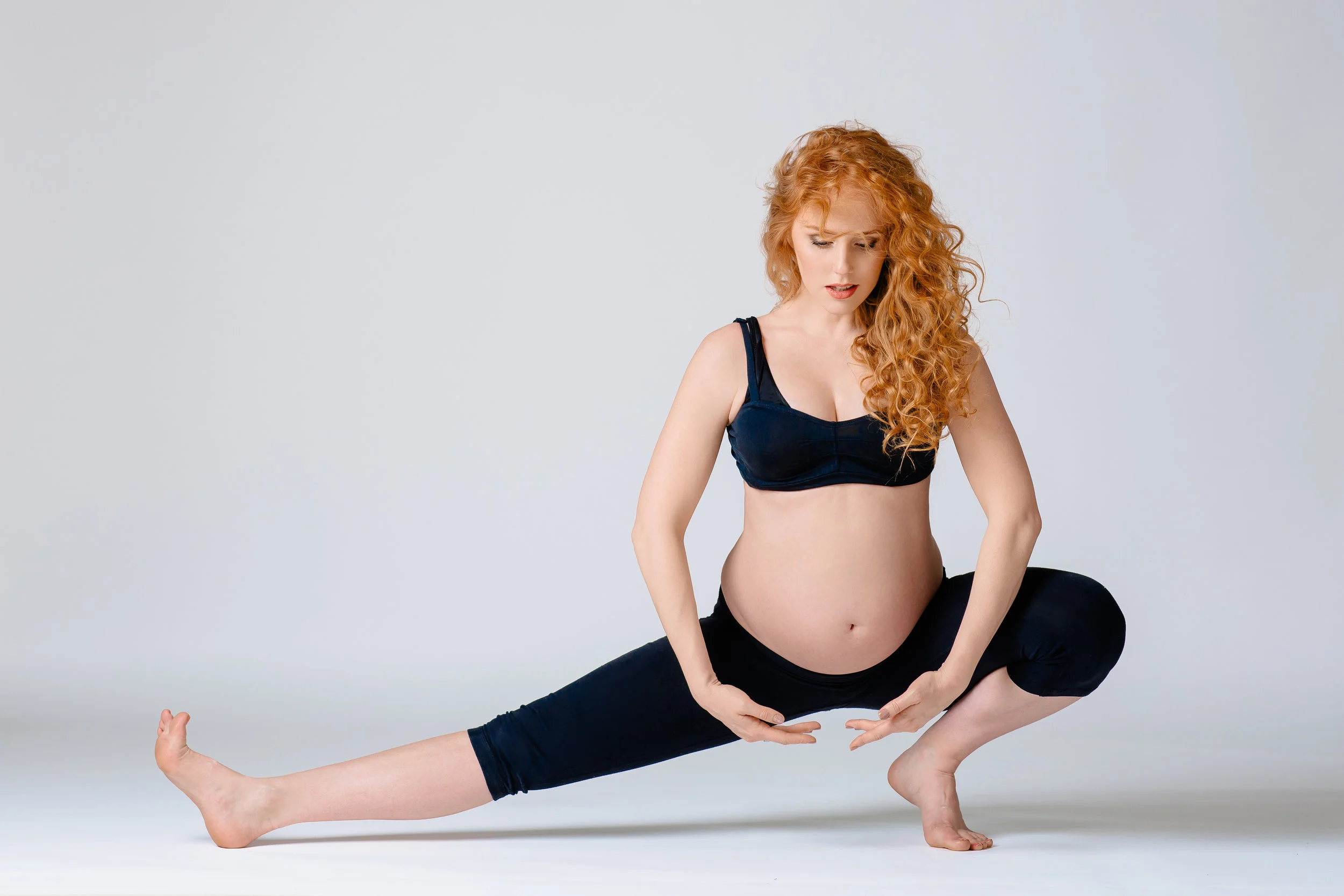
Everything you need to know about exercising while pregnant

All the answers about weight training, cardio and when to stop your pregnancy workouts…

There’s always been mixed messages about exactly what you can and can’t do when it comes to training during pregnancy. Is it safe to start exercising if you don’t regularly train already? Should you stop doing weight training? What core exercises, if any, are still advisable? 

There’s no one answer fits all, and it’s best to get a personal trainer to help you through your pregnancy training if you can, even better, start training with a PT while you’re trying to get pregnant so he or she is already aware of your fitness levels. But there is some good general advice to get you on your way to safe training during pregnancy and Fit Squad DXB trainer Devinder Bains, who has trained both pre and post-natal clients, answers some of the questions she gets most frequently asked…


If I don’t train already is it too late to start?

No, it certainly isn’t. In fact it’s a great time to start exercising as remaining sedentary during these nine months can lead to excess weight gain, high blood pressure and aches and pains. In more extreme cases it could also lead to gestational diabetes and even pose a higher risk for caesarean section. A study carried out at the end of last year by experts from Camilo José Cela University in Spain confirmed that there is strong scientific evidence showing that moderate exercise during pregnancy is safe and beneficial for both mother and baby and that there is no risk of premature birth, low birth weight or foetal distress. 

However, If you are new to exercise it’s a good idea to get the ok from your doctor which can simply be done at any of your routine appointments and then maybe think about taking on a personal trainer to be sure you’re doing the right sort of exercises. Start off gently by going for short walks and work up to an hour of walking a day, add in swimming sessions and light weights. Always make sure you’re well hydrated, stay out of the heat and are eating enough.


Can I still do intense cardio?

Yes, if cardio is already part of your training regime then you can continue as normal for the first trimester without too much change (sickness and tiredness may have an impact on this) and actually even into your second trimester. If you’re used to running, you’re fine to continue but you may need to start slowing down your pace and reduce the effort level of your session, the same goes for spin classes (think about adjusting your seat to release pressure on your back too). It’s always best to be sensible and follow your instincts about how you feel. If you’re feeling unsure, try the talk test: if you can still hold a conversation during the exercise you’re probably ok but if you’re ever in doubt it’s best to avoid the exercise. Heading into the end of the second trimester and into the third you will need to reduce intensity. HIIT sessions involving exercises such as skipping, squat jumps and jump lunges will not only become more difficult because of the additional weight, they will also put pressure on your pelvic floor and are best avoided. And the good news is that you’ll finally have an excuse to avoid burpees and in fact any exercise that involves getting up and down quickly to avoid getting light-headed. As with all exercise, if you feel sick or dizzy then stop immediately.


Should I be training more abs or less abs?

You will need to make some changes to the core training that you’re doing to avoid being in a supine position and to prevent over-separating of the abdominal muscles (Diastasis Recti). Crunches, sit ups and most ab exercises on your back are out after the first trimester, earlier if you feel any discomfort. Swap in regular and side planks which are ok throughout the pregnancy for most women but avoid if they become uncomfortable due to weight gain. It’s important to still train the core so think about adding in some standing breathing exercises and also upright exercises using resistance bands and compound exercises such as wall sits that engage the lower abs as well as glute and leg muscles.


Is it time to stop the weight training? 

Absolutely not! If you’re new to exercise then start light and maybe call on a personal trainer to give you at least a few sessions to show you good technique. If you’re used to weight training then there’s no reason why you can’t carry on doing so until the end of your pregnancy. You may need to start lowering your weights during your final trimester maybe even reducing to bodyweight only, add resistance bands to mix things up. If you’re starting to feel the weight of the bump then remove exercises such as push ups and plank holds from your workout. Also think about modifying exercises to a seated position where possible, such as lateral shoulder raises and bicep curls. Also, avoid spending too long in a supine position (on your back) during training, especially towards the third trimester as it can affect blood flow to the baby. Bodyweight exercises such as hip thrusts and lunges are great throughout the pregnancy and moves like squats can be modified by widening your stance and holding the bump from underneath as time goes on.


Will the hormone relaxin affect my training?

Relaxin is a hormone that is present in both men and women but during pregnancy the levels of relaxin can increase by up to ten times. The hormone has many roles right from the start of pregnancy but it’s mainly associated with relaxing ligaments around the pelvis to help with the delivery. One of the side affects of having an increased amount of relaxin in the body is the loosening of other ligaments: those in the spine can become elastic and lead to back pain and relaxed ligaments in the legs can cause instability. It’s easy to see how this could affect your training during pregnancy, so it’s important to be extra vigilant about staying stable, also be careful to not overstretch as muscles may feel more elastic than normal.


When do I stop training?

There is no strict answer, it depends on how you feel and this is another time when it pays off to have a personal trainer. I’ve trained clients up until their due date because they felt strong and healthy and others I’ve advised to stop a couple of months before because I could see they were getting very tired early on during a session. I would say if you feel well then you can continue right to the due date, just be cautious of what exercises you can and can’t do at that late stage. 


Interested in finding out more? Fit Squad DXB trainers are here to help you with you pre and post-natal fitness needs. Book your free consultation now by calling or WhatsApping us on +971 55 542 7231 or emailing us at info@fitsquaddxb.com

Read Next: How to get all the vitamins you need through your food


Read More
Jamie Bassi Jamie Bassi

The Pros and Cons of Barefoot Training

There’s a lot of talk… but does it actually work?


There’s a lot of discussion from clients and within the fitness industry about whether barefoot/toe shoes can rival conventional training shoes when it comes to long distance running or during cardio sessions that include jumping and impact work. And now, the conversation around barefoot/toe shoes has piqued again due to the rise of movement and flow training like AnimalStrength, with people wanting to have more of a free and natural connection throughout their session. 


For those that don’t know what toe shoes are, they're designed to mimic wearing no shoes at all, having five individual toes that supposedly allow your feet to move naturally but keeping you protected from the elements.


Despite studies and research being carried out on barefoot training…the verdict is still out. Below, personal trainer and co-founder of Fit Squad DXB, Daniel Wells talks us through everything we need to know… 


Barefoot Pros: 


  • For long distance runners, the major (and probably most beneficial) advantage of barefoot/toe shoes will be your striking point (the part of the foot that hits the ground first), as barefoot generally results in a mid-foot or fore-foot landing as opposed to a heel strike, which is said to be optimal for distance runners. 


  • Muscle activation in the feet, ankles and lower legs will greatly increase. This will result in better balance and also increase your body’s ability to sense the movement and position of your joints.


  • Will strengthen muscles, ligaments and tendons of the foot and in turn allow a more natural gait.


  • Will help stretch and strengthen the achilles tendon which will cut down the number of injuries such as achilles tendinitis or a muscle pull/tear. 


Barefoot Cons:


  • The most obvious con is the fact that you’re losing all that nice cushioning comfort that you’re used to in a training shoe with a fairly thick sole.


  • Training barefoot/with toe shoes can result in shin splints at best and problems with your hips and back at worst, due to the increased impact your joints will receive. A slow transition from training shoes to barefoot/toe shoes is alway advised.


  • The plantar surface (bottom mid-section) of the feet is very soft connective tissue and training barefoot could lead to quite a nasty strain in this area due to the lack of support the training shoes provide.


  • Even with a slow transition it’s likely that those who switch to barefoot/toe shoes will find themselves with blisters and sores for the first few weeks or at least until your feet have fully got used to the new style. 


In my opinion, if you’re not having any issues with your feet, ankles, calves or knees then there’s no need to switch to barefoot/toe shoes. There’s not enough evidence YET to show the need to switch before problems arise, but If you are experiencing problems such as osteoarthritis, osteoporosis, knee/hip/back pain or bunions then it’s definitely worth giving it a try.


Still not sure if barefoot training is for you? Our personal trainers are here to help with any advice needed. 

Book your free consultation now by calling or WhatsApping us on +971 55 542 7231 or emailing us at info@fitsquaddxb.com


Read next: Top Ten Tips To Get Your Best Body for 2018


Read More
Jamie Bassi Jamie Bassi

Your Simple Guide To Essential Vitamins And The Foods You Need To Eat

How to get your vitamins without taking a single supplement


Are you getting enough vitamins? Should you be taking supplements? If so, which ones? And are they going to break the bank? The world of vitamins is confusing but knowing why you need certain vitamins and which foods to get them from is vital for living a healthy life. 

Well, worry no more, we’ve taken the stress out of it for you with our simple guide to essential vitamins…

Vitamin A

Why you need it: It’s essential for reproduction and embryonic development as well as immune function, synthesising proteins, healthy sight and maintenance of body tissues. A deficiency in vitamin A can cause dry eyes, affect sight in dim light and cause dry skin and acne.

Eat more: red/orange and yellow vegetables and fruits. Try bell peppers, carrots, pumpkin, orange sweet potato, orange melon, papaya and dried fruits like prunes, apricots and peaches. Also add dark leafy veg, eggs, fish oils, liver, dried herbs and paprika to your diet.

Vitamin C

Why you need it: It’s a powerful antioxidant that protects cells from free radicals, it’s needed for a strong immune system, essential for collagen and bone formation, used or regenerating vitamin E stores and improving iron absorption. A deficiency in vitamin C can lead to poor dental health and cause wounds to not heal properly.

Eat more: Colourful fruits and vegetables such as tomatoes, bell peppers, kiwis, strawberries and oranges, also opt for greens like snow peas, broccoli and kale, for a super boost of vitamin C go for guava fruit!

Vitamin D

Why you need it: For immune system function, regulating glucose tolerance, modulating gene transcription and to absorb calcium and promote bone growth. A deficiency can cause low bone density and tooth decay in adults and rickets and deformed bone growth in children.

Eat more: Most should come from the sun but you can also get it from fatty fish like tuna, mackerel and salmon, egg yolks, shrimp, beef liver, cheese, milk and mushrooms.

Vitamin E

Why you need it: It’s an essential anti-oxidant and helps the body use oxygen properly and stops fats getting damaged. Vitamin E is also needed to boost immunity and reduce infections in the elderly and some studies have shown that it can help protect against heart disease. A deficiency can cause muscle weakness, impaired vision and coordination problems.

Eat more: Nuts and seeds especially almonds, hazelnuts and sunflower seeds, plant oils, spinach, avocado, turnip greens and kale. 

Vitamin K

Why you need it: To aid with blood clotting, amino acid metabolism and helps with bone health. A deficiency can lead to a tendency to bleed, bruise or haemorrhage as well as calcium being redirected incorrectly, resulting in too much in blood vessels and not enough in bones.

Eat more: For vegetable sources (K1) go for leafy greens such as kale, turnip greens and spinach as well as broccoli, sprouts, and asparagus. For animal sources (K2) try dairy, poultry, egg yolks and beef

B Vitamins

B1 Thiamin, B2 Riboflavin, B3 Niacin, B5 pantothenic acid, B6 pyridoxine, B7 Biotin, B9 Folate, B12 Cobalamin

Why you need them: The B vitamins are a group of predominately water-soluble vitamins that cover everything from producing energy, red blood cell production and forming new proteins to maintaining healthy skin and digestive systems, nervous and immune system function and DNA synthesis and repair. Folate (folic acid in it’s supplement form) is used in feotal development. Deficiency can cause a variety of ailments depending on which B Vitamin you’re short of, these can include fatigue, anxiety, depression, anaemia, loss of appetite, damage to skin membranes and mouth inflammation.  

Eat more: To cover all the B vitamins fill your diet with he likes of beans, whole grains, mushrooms, sweet potatoes, spinach, eggs, most meats and fish and seafood  

In rare cases it is possible to have too much of a certain vitamin which can lead to toxicity, known as hypervitaminosis. Alway consult a trained professional before making dramatic changes to your diet. 

Fit Squad DXB trainers are here to help with diet and fitness goals. Book your free consultation now by calling or WhatsApping us on +971 55 542 7231 or emailing us at info@fitsquaddxb.com

Read next: Why You Should Be Cutting Out Breakfast


Read More
Jamie Bassi Jamie Bassi

How to work out what your heart rate should be during HIIT

Get in the right training zone to get the most out of your workout 

Most will now agree that HIIT is one of, if not the, most efficient type of training to improve health, build lean muscle, burn fat and increase endurance. But how do you know if you’re doing it correctly? That you’re actually pushing yourself into the zone that will speed up your metabolic rate and keep you burning fat for many hours post workout. 

Fit squad DXB’s Daniel Wells explains the calculations you need to work out where you need to be during your sessions…


First and foremost, you need to calculate your Maximum Heart Rate (MHR). The quickest and most simple way to do this is to subtract your age from 220. I have used my own data for all of the below calculations, so my MHR would be 188:

220 - Age: 32 = 188 (MHR)


Second of all you will need to work out your Resting Heart Rate (RHR) and this can be done by simply putting two fingers across the inside of your left wrist and counting the total beats in one minute. This is best done in the morning and definitely pre-caffeine. 

My RHR is 65


Next you will need to workout your Heart Rate Reserve (HRH) and to do this you need to subtract your RHR from your MHR. Below I have used my own data as an example of the calculation: 

220 - Age: 32 = 188 (MHR) - 65 (RHR) = 123 (HRR)


Now that you have your HRR you’re ready to workout your heart rate training zone for HIIT. During the high intensity periods of your HIIT workout you need to be hitting somewhere between 70% and 90% of your HRR for optimal results. I am going to use the above data from my previous calculation and workout 70% and 90% of my HRR

70% = 123 (HRR) - 30% = 86.1

90% = 123 (HRR) - 10% = 110.7


The final step to give me my heart rate training zone for HIIT is to add my RHR to these percentages. Below is an example using the previous figures.

70% = 123 (HRR) - 30% = 86.1 + 65 = 151.1

90% = 123 (HRR) - 10% = 110.7 + 65 = 175.7


So, during the high intensity periods of my session I am looking to reach a minimum heart rate of 151.1 and a maximum of 175.7. It’s so important to know this information because if you’re under it’s not HIIT and you will not receive the benefits, and if it’s over you could well be doing more harm than good. 

Once you have your numbers use a heart rate monitor to measure you’re hitting the right rate. If you don’t have one, a good indiction that you’re at the right heart rate is your deep, rapid breathing and only managing to speak a few words at a time. 

If you’re new to HIIT, you may want to start at 70% to 80% effort instead or speak to a personal trainer for advice. 


All our Fit Squad DXB trainers can guide you with your HIIT sessions. Get in touch by calling or WhatsApping us on +971 55 542 7231 or emailing us at info@fitsquaddxb.com


Read next: Are you eating too much protein?

Read More
Jamie Bassi Jamie Bassi

How to stay looking fit on your holiday

Don’t let all your beach body training go to waste…

You’ve worked hard to get fit and look good, put the hours of training in and now your holiday is finally here. It’s important that you keep your fitness regime going while you’re travelling to make sure you don’t undo all the hard work you’ve already put in. You won’t lose any fitness if you have a few days off and the rest period might actually do your muscles some good, but team that with the extra calories you’re likely to take on board while you’re travelling or on holiday and you might start seeing some weight gain and a bit of extra padding around the stomach. It’s also a good idea to stick to exercising while you’re away so it’s not such a big change to go back to your fitness routine when you get back home. 

And it’s about more than just looking good, when you exercise the body releases chemicals called endorphins which trigger a positive feeling, great for combatting stress – which might be just what you need if you’re travelling for long hours in busy airports for work or your holiday includes kids, in-laws or that annoying friend of friend!

And don’t worry if you haven’t got much time or access to a gym…our simple top tips and exercises will keep you in check…

Top Three Tips to stay fit while travelling

If you can’t train as much as usual, incorporate other ways to burn calories and work your muscles, like walking to places whenever you can, taking the stairs wherever possible (great leg and bum workout) or if the hotel has a pool, adding a gentle swim to your regime. If you’re with kids, encourage them to take part in physical activities that you can join in with.

Don’t be obsessed with getting that full hour in the gym. A lot of people think that if they can’t go for the hour, then there’s no point at all: not true! a quick 15/20 minutes of intervals on the treadmill is more than enough cardio to get your heart racing and your body burning calories for hours after you leave the gym.

One of the things about modern travel is that you don’t always end up staying in a conventional hotel with a gym. Look out for gym apps in the city or town you’re staying in that let you drop in and use a nearby gym or book a personal trainer in the area. If you’re in the UK – try the 'PayAsUGym’ app, with day passes for as little as AED15. It uses location services to suggest the gyms nearest to you. Or use youtube for workout videos that you can easily do in your room. There’s everything from HIIT classes to yoga and abdominal workouts.

Top ‘No-Gym’ exercises

Of course you don’t need a gym or indeed youtube, you can always use bodyweight exercises to train anywhere you are. 

On the plane:

Take a walk while you’re on the plane and find a space to do some calf raises. Hold onto something if needed and gently just raise your feet up onto your toes as high as you can and then back down to the floor and repeat 15 to 20 times, if you’re feeling adventurous add a lateral shoulder raise – bringing the arms up to the sides at the same time as the feet come up, this will help with blood flow and combat DVT. 

Think about back and neck stretches once you’re done with the calves, forward bends to touch your toes will help lengthen muscles that are stiff from sitting for long periods. 

In the hotel room:

Once in the hotel room you can do an array of exercises, choose from your classic squat (go for 20 reps per circuit) or add an isometric hold once you’re in squat position to add a degree of difficulty, so go down into the squat, hold for a count of five before coming back up. Put a towel down and use it as a mat for sit ups or use a chair for tricep dips or turn around and use it for incline push ups.

Ask your Fit Squad DXB personal trainer for more travel tips. Get in touch by calling or WhatsApping us on +971 55 542 7231 or emailing us at info@fitsquaddxb.com

Read next: Why you should be cutting out breakfast


Read More
Jamie Bassi Jamie Bassi

Why you should be cutting out breakfast!

Could working out on an empty stomach be the answer to fat loss?

You’ve probably heard personal trainers talk about mobilising fat as energy, as opposed to using carbs (glycogen), to help achieve a leaner body. There are multiple ways you can do this: by maintaining a lower blood sugar level in general, ingesting omega 3 fish oils, training at a very high intensity by using interval training (HIIT) or by giving fasted cardio a go.


How does fasted cardio work exactly? Exercising in a fasted state increases lipolysis and fat oxidation rates. Lipolysis is where fat cells are broken down for energy and fat oxidation is the burning of this energy. So, how do you get yourself in a fasted state? The most obvious and easiest way is to miss breakfast. Eat your evening meal as normal and whilst you’re sleeping your fasting begins, hit your training session shortly after waking as your body will be fasted for anywhere between eight and ten hours, maybe longer.


Something to note is the fact that many people do HIIT in a fasted state, this in some ways doesn't suit. HIIT is designed to speed up your metabolic rate and help you keep burning fat for many hours post-workout, but fasted cardio is all about burning fat for energy during your session. So if you're looking to maximise fat burning during a session then the two don't necessarily work in harmony. That being said, HIIT is the only cardio I advise unless training for a specific sport or race. 


Thinking about giving fasted cardio a go? Fit Squad DXB personal trainer Daniel Wells discusses the pros and cons…


Pros:

1. A study done by Jenna Gillen PHD from The University of Toronto found that fasted cardio will assist in oxidising fat and help with those problematic and stubborn fat yielding areas i.e. the inner thigh and lower abdominal area. So, if these areas are something you struggle with, it may well be worth trialling fasted cardio sessions. This is not to say that fasted cardio can’t work for other areas of the body and also work for any age, body type or gender. 

2.  It's a really simple one but if you're fasted before training it can help you keep your calorie intake lower that day. If you're on a calorie deficit diet and looking to cut, then missing breakfast for example, can be an easy way to remove a meal's worth of calories. The same can be done by avoiding any pre-training nutrition.

3.  John Kiefer, a physicist and nutrition expert says: "When you're fasted in the morning, the hormone cortisol is high and its only job is to break down the appropriate tissue based on what other hormones are around. Insulin is elevated after eating and cortisol will attack muscle. But, if you are fasted, insulin is low and cortisol will then go after body fat reserves.”


Cons:

1. In light of increased stress and metal health issues in general, it's important to note that fasted cardio can actually lead to increased anxiety levels. When you rise in the morning your fight or flight hormone cortisol is released, it is also released when you fast and also when you exercise. So, you could actually double or triple your cortisol levels. This is too high for some people, leaving them feeling anxious post-workout and potentially all day. Fat loss slows downs dramatically when you're stressed so this could actually counteract what you’re trying to achieve through fasted cardio so it's important that you listen to your body.

2.  Losing muscle mass is a common side affect of fasted cardio as muscle proteins are more readily available for use as energy, as glycogen levels are low, so I would recommend some BBCAs pre-workout. 

3.  There is also a potential for lower tolerance in cardio sessions carried out in a fasted state, especially for someone that's been out of training for a while. Many people suffer with light-headedness or dizziness when trying it for the first time, so build up slowly to those intense sessions. 


Verdict:

I feel the positives outweigh the negatives when it comes to fasted cardio training and with the right attitude you are likely see some fairly quick results. As with anything fitness or nutrition related, it’s a case of trial and error to see how you react. 

To help combat the muscle loss, I would recommend taking some supplements pre-session, BCCAs, a very low carb protein shake and maybe even a coffee – a meal under 50 calories will not take the body out of a fasted state. Not sure about fasted cardio but want to reap the same rewards? You can get the same affect in terms of mobilising fats by adding some good quality fats like coconut oil before training so as not to cannibalise muscle proteins.


Take advantage of our Ramadan Special Offer and get 16 sessions for just AED2,999!

Get in touch by calling or WhatsApping us on +971 55 542 7231, emailing us at info@fitsquaddxb.com..


Read More
Jamie Bassi Jamie Bassi

How to train during your Ramadan fast

Everything you need to know about nutrition, hydration and time of day to work out during Ramadan.

Ramadan is a wonderful time of year, in which to spend time with loved ones, connect on a spiritual level, pray, cleanse body and soul and also reaffirm your faith. People approach the holy month in different ways and fasting is common practice to show self control but it’s important to keep in mind what’s happening to your body whilst doing so. 

We believe there’s three main topics that need attention when it comes to health and fitness during this month: nutrition, hydration and training timings. Here’s some quick top tips to help you have a smooth and healthy Ramadan… 

Nutrition

Preparation and knowing what to eat during non-fasting hours is essential for good health and endurance during the entire month. Ramadan is a time to give gifts and often high-sugar cakes, biscuits and sweets are floating around but as tasty and tempting as they might be, they need to be avoided. You really should be spending your time eating heathy, nutrient dense, non processed foods. Make sure you’re eating lots of green leafy vegetables and good sources of protein like chicken, turkey, salmon and white fish. Accompany this with low glycemic carbohydrates like brown rice, sweet potato and oatmeal especially when your fast is about to begin in the very early hours, this will help you feel fuller and keep your body fuelled for a longer period of time – helping curb your hunger.  

Hydration 

It’s really important to get this right. Make sure you drink sufficient amounts of water, and stick to just water during your non-fasting hours as coffee and high sugar drinks are only going to dehydrate you in the long run. It’s actually quite difficult to drink enough water to counter your fasting hours so keep a bottle close by at all times during your non-fasting hours. If you start to feel very dehydrated during the day and this may include feeling dizzy, having laboured breathing or cracked lips, spending 5-10 minutes in a cold shower can really help, if this happens, you know that you need to increase your uptake of fluid during your non-fasting hours. 

Training 

It’s so important to exercise during Ramadan even if you haven’t been prior as it actually assists the body in disposing of toxins and other harmful antibodies that might cause dehydration later on. Many people have different working hours and ways of living during Ramadan but It’s important to pick a time to exercise that best suits you. We have found 2/3 hours post Iftar is most advisable as you will have fully digested your food and should feel energised by this point, there’s also plenty of time to eat again post workout. 

If you are fasting during Ramadan, it’s probably not the best time to set new fitness goals but rather to focus on overall health and maintenance to make sure you can enjoy the holy month. That way, when it’s over you shouldn’t have received any negative health symptoms or been derailed too much in terms of your overall fitness and heath goals. 

Ramadan Kareem

Take advantage of our Ramadan Special Offer and get 16 sessions for just AED2,999!

Get in touch by calling or WhatsApping us on +971 55 542 7231, emailing us at info@fitsquaddxb.com..


Read More